Tree Removal Permit: Tampa Bay Rules and Application Process
Tree Removal Permits in Tampa Bay: What to Know
Before you remove a tree in Tampa Bay, it is smart to ask one question: do I need a permit? The answer depends on where you live, what kind of tree it is and why you want it removed. Some trees can be removed without approval. Others, like large protected oaks, may require a tree removal permit. This guide from Joel’s Pro Tree Service explains the basics so you can plan ahead and avoid fines.
Why Tree Permits Exist
Many local governments protect trees because they provide shade, reduce stormwater runoff, support wildlife and add value to neighborhoods. Tree ordinances help make sure that healthy, valuable trees are not removed without review.
Who Sets the Rules
In Tampa Bay, tree rules are set by cities and counties. That means the rules in the City of Tampa may differ from those in unincorporated Hillsborough County, Pasco County or Pinellas County. Cities like St. Petersburg and Clearwater also have their own rules. Always check with the local government that covers your address.
Trees That Are Often Protected
Rules vary, but many local codes give extra protection to:
Large trees above a certain trunk size
Live oaks and other native hardwoods
Specimen or "grand" trees
Trees in buffers, wetlands or conservation areas
Trees required as part of a site plan
Some codes may also require you to plant new trees to replace those removed.
Florida's Rule for Dangerous Trees
Florida has a state law that affects residential property. Under this law, a local government generally may not require a tree removal permit to remove, trim or replace a tree on residential property if the owner has documentation from a certified arborist or a Florida licensed landscape architect that the tree presents a danger to people or property. This rule applies to residential property, and the details matter. Keep the documentation in your records.
Schedule Your Tree Service at 866-434-8733
Situations That May Need a Permit
Removing a healthy, large tree for a new pool or addition
Clearing trees for new construction
Removing protected species
Removing trees on commercial property
Land clearing on larger lots
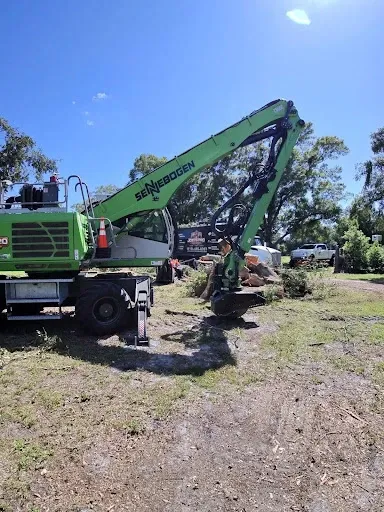
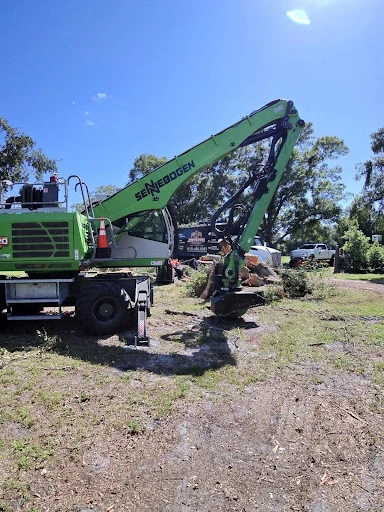
Alt text: Grapple truck clearing tree debris
How the Permit Process Usually Works
Check your local tree ordinance.
Identify the species and size of the tree.
Gather photos and a site plan if required.
Submit an application to the city or county.
Wait for review or inspection.
Remove the tree once approved.
Plant any required replacement trees.
What Happens if You Skip a Required Permit
Removing a protected tree without approval can lead to fines, replacement requirements or stop-work orders. These penalties can be costly and stressful. It is better to check first.
How a Tree Service Can Help
An experienced local tree service knows the common rules in the area and can point you to the right agency. A certified arborist can assess a tree's condition and, when appropriate, document that it poses a danger. This can make the process faster and clearer.
Planning Ahead for Construction
If you are planning a pool, addition or new driveway, check tree rules early in the design process, since protected trees can affect where you are allowed to build. Your designer and tree service can help you plan around valuable trees or identify which ones may need approval to remove.

Schedule Your Tree Service at 866-434-8733
Questions to Ask Your Local Office
Call or visit your city or county office. Ask clear questions.
Does my tree need a permit?
Is this species protected?
What size trees are covered?
Do I need to plant a new tree?
How long does review take?
Is there a fee?
Write down the answers. Keep them with your records. This helps if questions come up later.
A Note on HOAs
Some homeowners associations have their own tree rules. Check your HOA documents too. You may need HOA approval as well as a city or county permit.
Trees Near Power Lines
Utility companies may trim or remove trees that threaten power lines in their easements. If a tree on your property is near a line, contact your utility before doing any work.
Safety Tips for Homeowners
Trees can be dangerous. Keep these tips in mind.
Stay away from fallen power lines.
Assume every downed line is live.
Do not climb a damaged tree.
Do not use a chainsaw on a tree under tension.
Keep kids and pets away from hanging limbs.
Take photos before any cleanup.
Call a pro for large trees.
Ask for proof of insurance.
When to Call a Tree Pro
Call for help if you see any of these signs:
Large cracks in the trunk
Mushrooms at the base
A sudden new lean
Lifting soil near the roots
Dead limbs over the roof
Branches touching power lines
Early action can prevent a bigger problem later.
In Short
Tree removal permit rules vary across Tampa Bay. Large and protected trees often need approval. Florida law limits permit requirements for documented dangerous trees on residential property. Always check before you cut.
How Joel's Pro Tree Service Can Help
Joel's Pro Tree Service is a locally owned tree company in Odessa, Florida, serving the greater Tampa Bay area. The licensed and insured team offers tree removal, tree and shrub trimming, emergency tree service, stump grinding, land clearing and plant health care, with same-day emergency response and free, no-obligation estimates. Call 866-434-TREE, text 866-434-8733 or visit Joel's Pro Tree Service.
Quick Facts
Tree rules are set by each city and county.
Live oaks and large trees are often protected.
Florida law limits permits for documented dangerous residential trees.
Removing a protected tree without approval can lead to fines.
Some codes require replacement trees.
FAQ
Q: Do I need a permit to remove a tree in Tampa Bay?
A: It depends on your city or county and the type of tree. Check your local rules.
Q: Do I need a permit for a dead tree?
A: Often not, but rules vary. Documentation from a certified arborist can help.
Q: Can Joel's Pro Tree Service help with permits?
A: Joel's Pro Tree Service can assess your tree and help you understand the next steps.
Services We Offer
